Motor Lamination Is No Longer a Commodity. It’s Engineering.

Every stator and rotor is designed around your motor’s efficiency target.

REQUEST A QUOTE

Built for EV Traction and Drone Motors, Where Every Watt Counts.

Thin-gauge, low-loss laminations for high-speed, high-efficiency motors.

REQUEST A QUOTE

We Count Efficiency, Not Just Pieces.

IE5-class quality matters more than 10 million parts a year.

REQUEST A QUOTE

Lighter Drones. Longer EV Range. It Starts with the Lamination.

The right steel grade, thickness and stacking method for your motor’s performance.

REQUEST A QUOTE

Your Motor Is Only as Good as Its Laminations.

Precision stamping with tight burr control and consistent stacks, batch after batch.

REQUEST A QUOTE
LAMINATION SOLUTIONS

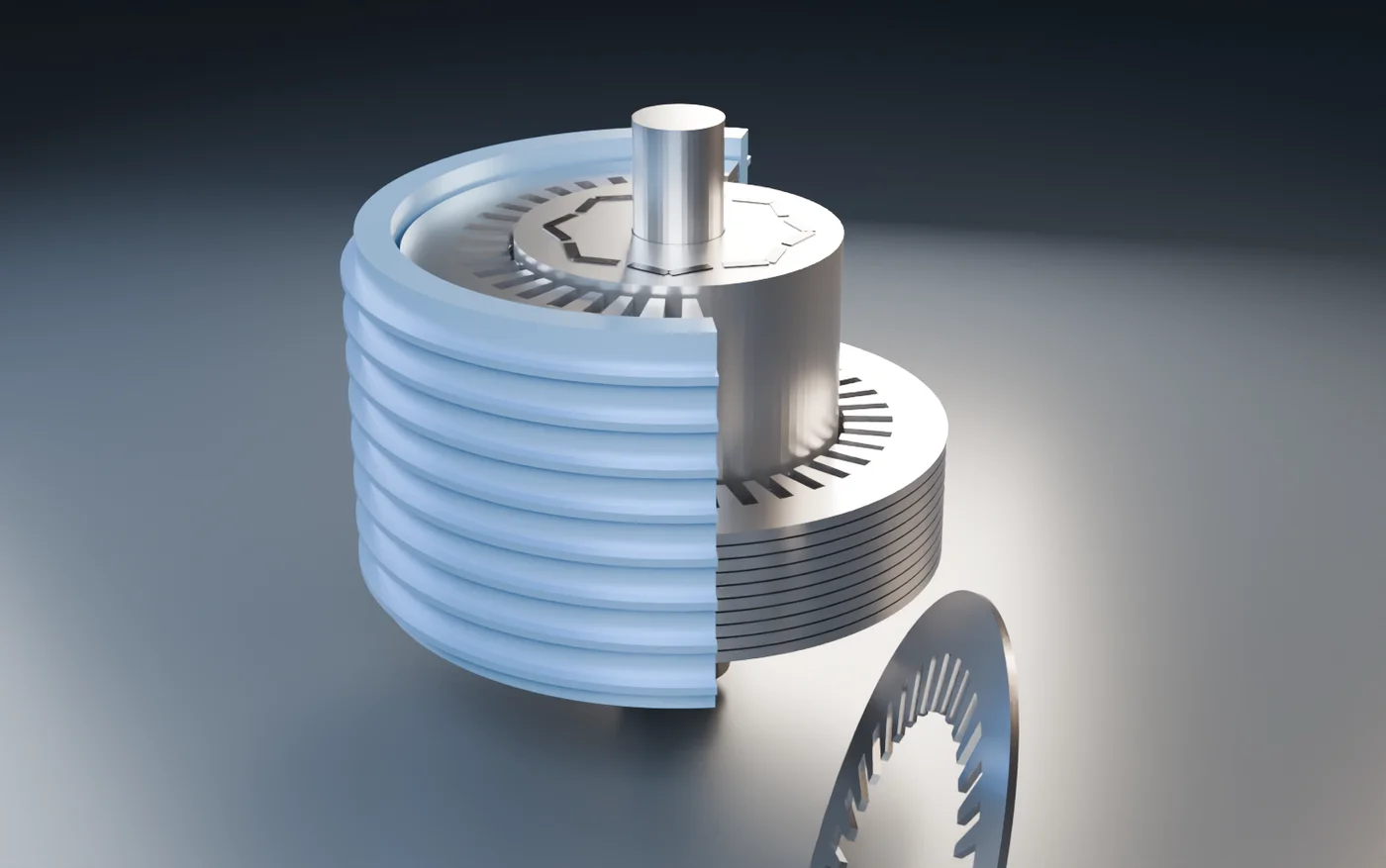
We don't just stamp laminations. We help your motor reach the efficiency your designer imagined.

Stator and rotor laminations for EV traction, PMSM/PMDC, BLDC, induction and prototype motors, with the steel grade, sheet thickness, joining method and lamination design chosen to suit your motor, not ours.

Cutaway view of an EV traction motor showing the bonded stator lamination stack, copper hairpin windings and interior permanent-magnet rotor – SNV Stamping Solutions

SOLUTION 1

EV Traction Motor Laminations

India's EV motor designers are now building PMSM, SynRM and hybrid SynR-PM traction motors that compete with the best in Europe. Those motors run at 10,000–20,000 rpm with 400–800 Hz electrical frequency, where iron loss, not copper loss, decides the efficiency map. SNV supplies the thin-gauge, low-loss, bonded laminations these designs need, and the engineering support to get there.

EV traction motor stator lamination stack with hairpin windings and IPM rotor
0.20 – 0.80 mmsheet thickness for EV cores (0.15 mm on request)
≤ 0.02 mmburr height, measured on every lot
≤ 50 µmpress parallelism, double-plunger 220-ton press
1900 × 950 mmslide bottom – room for 250 mm+ stator dies
  • Thin-gauge, low-loss steel. We stamp CRNO electrical steel from 0.20 mm up to 0.80 mm, with 0.15 mm available for high-frequency designs. Eddy-current loss falls with the square of sheet thickness, so moving from 0.35 mm to 0.20 mm roughly cuts that loss component by two-thirds.
  • Backlack (self-bonding) laminations. For traction stators we work with bonding-varnish grades such as Baosteel B20AV1000 / B25AV1000, JFE and voestalpine equivalents. Every sheet is bonded over its full face, with no weld bead or interlock tab to short the insulation. Published comparisons show 15–44% lower core loss versus interlocked stacks of the same steel.
  • Welded or stitched stacks when cost matters. If a programme cannot carry the Backlack premium, we offer laser-weld or TIG-weld stacks and show you the loss trade-off before you decide, rather than after.
  • Segmented stators for large diameters. For 200–300 mm stators we offer segmented laminations that raise sheet yield and allow different steel for stator and rotor. Fewer kilograms of expensive steel per motor, same magnetic performance.
  • Different grades and thicknesses for stator and rotor. The rotor sees a lower frequency and higher centrifugal stress. We help you pick a stronger, lower-cost rotor grade and keep the premium thin grade where it earns its money, the stator.
  • The right press for EV cores. The 220-ton press is built for large, long stator dies: 1900 × 950 mm slide, 420 mm die height and a double-plunger drive that keeps the tool parallel to the bolster within 50 µm. That parallelism is what keeps burr low and uniform on thin, brittle high-silicon sheet.
Why 1% matters. A traction motor that gains one point of efficiency saves roughly 150–250 kWh a year for a passenger EV, and several MWh over a 10–15 year life for a bus or truck. Across a fleet, that is the difference between winning and losing a tender. Read our in-depth article: How Backlack laminations raise EV motor efficiency.
PMSM tractionSynRM / SynR-PMHub & mid-drive motorse-2W / e-3We-bus & e-truckAxial-flux (segments)
Send your stator & rotor drawing
What you specifyWhat SNV offersWhy it matters to your motor
Steel gradeCRNO 50C330 to 35C300 class, 20AV1000 / 25AV1000-type Backlack grades, 35C230-class thin high-grade on requestLower W/kg at 1.5 T / 400 Hz = lower iron loss at cruise speed
Sheet thickness0.15 / 0.20 / 0.25 / 0.30 / 0.35 / 0.50 mmThinner sheet cuts eddy-current loss; we tell you where the gain stops paying for the extra cost
JoiningBacklack bonding · laser weld · TIG weld · stitch / interlockBonding keeps the insulation intact and damps noise; welding is cheapest but adds loss at the weld line
Lamination designFull-ring or segmented stator; skewed, stepped or straight rotor; magnet-pocket and flux-barrier geometry to your CADYield, assembly method and NVH all change with the design – we review it with you before cutting steel
QualityBurr ≤ 0.02 mm, stacking factor 97–98%, stack height and perpendicularity reports, core-loss test on requestRepeatable cores mean a repeatable motor

SOLUTION 2

PMDC, BLDC & PMSM Motor Laminations

Permanent-magnet motors are replacing induction and universal motors across HVAC, automotive, defence, robotics, machine tools and home appliances because they deliver 20–30% higher efficiency at the same frame size. The lamination decides how much of that gain the finished motor keeps.

  • HVAC and fan motors. BLDC and EC motors for ceiling fans, air-conditioner indoor and outdoor units, AHU fan walls and blower motors. Thin-tooth stator designs in 0.35–0.50 mm CRNO, auto-stacked and skewed in the die for low cogging and quiet running.
  • Automotive sub-systems. PMDC starter-motor armatures (52 mm tooling in production), window-lift and door motors, pump and cooling-fan motors. CRNO or CRCA to the drawing, with the rotor shaft turned in-house when you want a matched set.
  • Defence, robotics and machine tools. Servo and PMSM stators with high slot counts and tight slot-width tolerances, in 0.20–0.35 mm low-loss grades, small batches welcome.
  • Home appliances. BLDC mixer grinders, washing-machine direct-drive motors, pumps and compressors – CRNO for efficiency-rated products, and CR2-grade CRCA where the design calls for it.
  • In-die auto stacking, auto skew and independent stack heights. Stator and rotor stacks leave the press finished. Changing a stack height for a new power rating is a setting change, not a new tool.
Ceiling & TPW fansAC indoor/outdoor fansCompressor motorsStarter & door motorsServo & roboticsMachine-tool spindlesMixer grinders & appliancesSolar & BLDC pumps
Request a quote
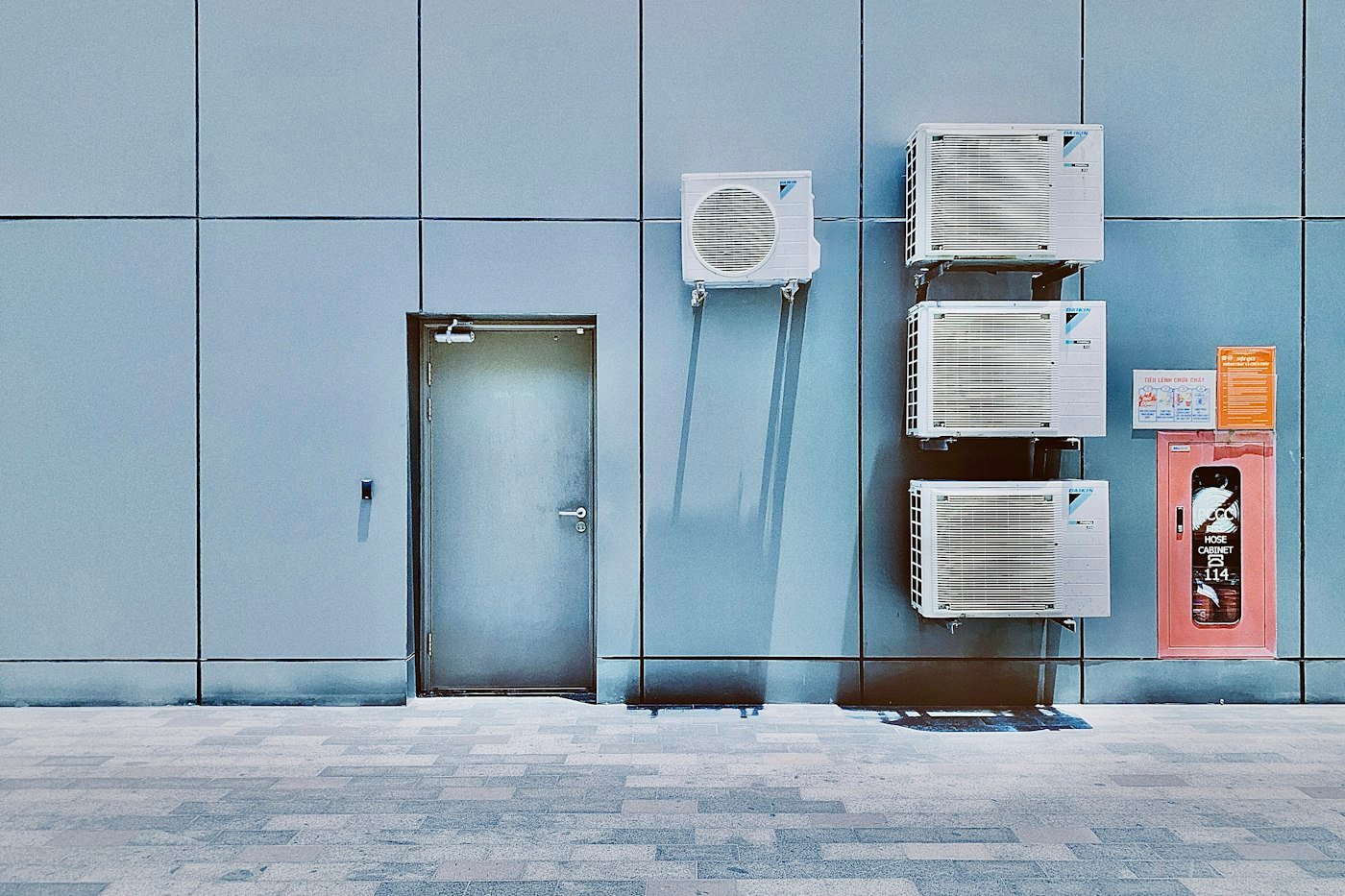
Air-conditioner outdoor units – BLDC and PMSM fan and compressor motors use SNV laminationsPhoto: Kien Day / Unsplash
0.35 – 0.50 mmtypical HVAC / appliance sheet
120 – 400 spmpress speed for high volume
In-dieauto stack · auto skew · stack height cams
CRNO & CRCA50C1300 to 35C300 class, CR2 to IS 513
HVAC is moving fast. Sri City and Chennai will make about 60% of India's air conditioners by 2027, and every unit carries two or three permanent-magnet motors. See our report: Why HVAC motors are moving to BLDC and PMDC, and how India is scaling up.

SOLUTION 3

Induction Motor Laminations

Induction motors still run most of India's pumps, fans and appliances, and volumes are counted in millions. What has changed is accuracy: IE3 and IE4 efficiency rules and quieter products mean the old tolerances no longer pass. We give you high-volume economics with the precision of an EV press shop.

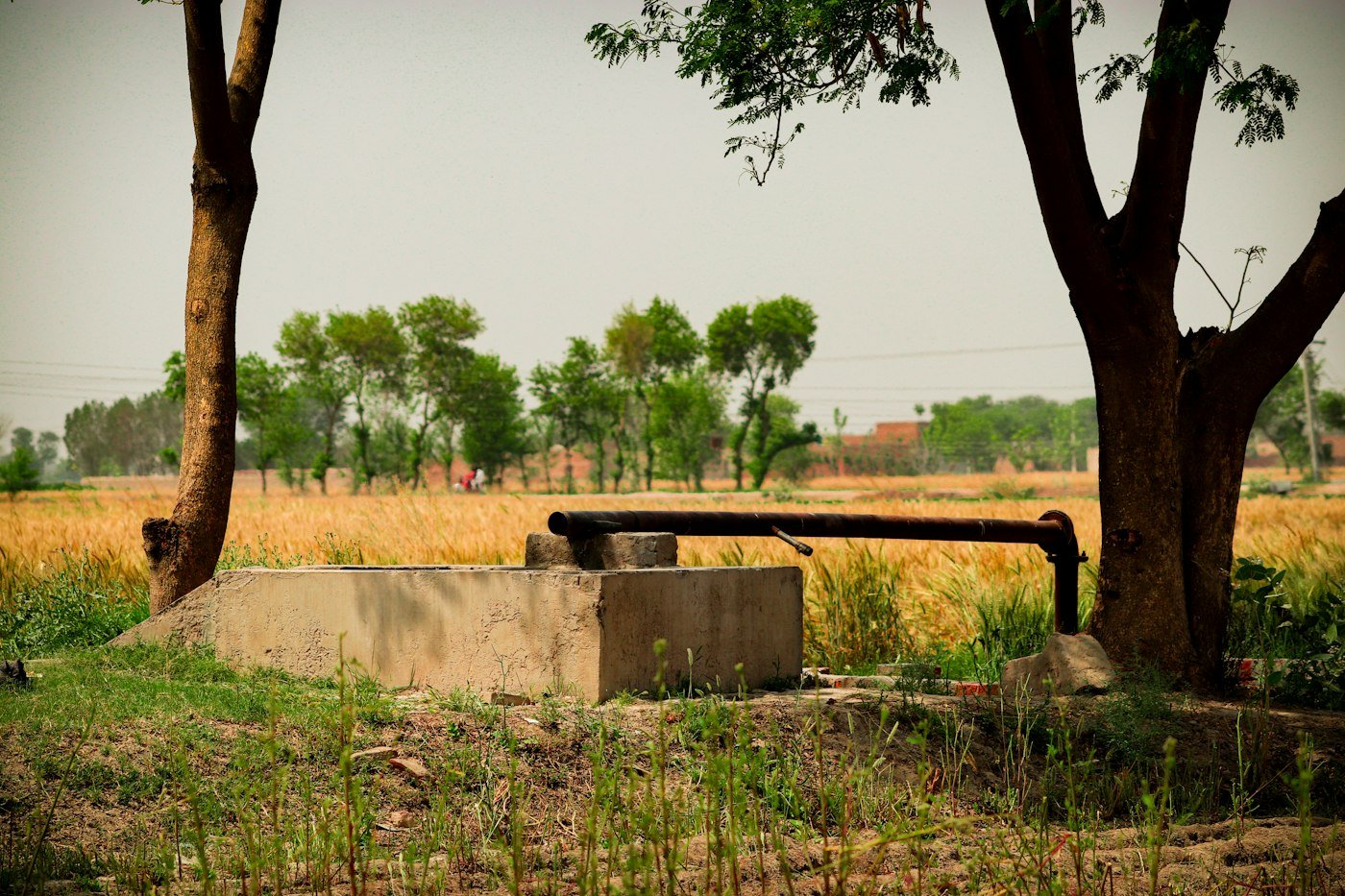
Irrigation pump in a farm field – induction motor laminations for pumps and appliancesPhoto: Mirza Zubair / Unsplash
  • Home appliances. Mixer grinder, washing machine, cooler and exhaust-fan motors. Multi-row progressive tooling for the volumes these products need, with every stator and rotor to the same slot profile, batch after batch.
  • Irrigation and submersible pumps. Long-stack submersible stators and rotors in 0.50 mm CRNO, auto-stacked in the die to the exact height, with skew built in for lower noise and smoother start.
  • Industrial pumping and drives. IE3/IE4 stators and rotors in low-loss grades, straight or skewed, loose or welded.
  • Accuracy at volume. Burr ≤ 0.02 mm, stacking factor 97–98%, slot pitch held by servo feeding on 0.2–1.0 mm strip up to 400 mm wide, and a 220-ton press that does not flex under long multi-row dies.
  • Material options. CRNO 50C1300 to 50C470 for efficiency-rated motors; CRCA CR2 to IS 513 where the drawing allows it and cost rules. We tell you honestly which one your product needs.
Mixer grindersWashing machinesSubmersible pumpsMonoblock pumpsIndustrial fans & blowersIE3 / IE4 drives
Discuss your annual volume

SOLUTION 4

Prototype & Development Support for Every Motor Type

A new motor starts with one stack. We support motor designers from the first single-motor trial through pilot lots to production, and we do more than cut steel: we help you choose the lamination that makes your design efficient, cost-effective and manufacturable in mass.

  1. Design review

    We study your stator and rotor CAD with the motor's speed, frequency and duty in mind and suggest grade, thickness, joining method and segmentation options, with the loss and cost trade-off of each.

  2. Single-piece and trial stacks

    Laser-cut or soft-tool laminations for 1 to 50 motors so your lab can test before you commit to progressive tooling.

  3. Pilot lots

    100 to 5,000 sets from prototype dies, with full measurement reports: burr, stack height, perpendicularity, stacking factor and core loss on request.

  4. Production transfer

    Progressive tooling on the 220-ton press line with in-die stacking, skew and stack-height control, planned so the production part matches the prototype you validated.

Why designers work with us

  • Experience that reads a motor, not just a drawing. Our team comes from automotive manufacturing and electrical engineering. We understand what a designer wants from a lamination and what a press can deliver, and we close the gap between the two.
  • Practical options, not one answer. Welded, bonded or stitched? Full ring or segments? 0.35 mm or 0.20 mm? We show you the numbers and let your design decide.
  • Small quantities are welcome. Large stampers want large orders. We built SNV for the companies developing India's next motors, where the first order is ten pieces and the fifth is a million.
  • A plant you can visit. Bengaluru, two hours from Hosur and a short flight from Pune and Chennai. Bring your drawing and sit with the people who will make it.
Start a prototype discussion
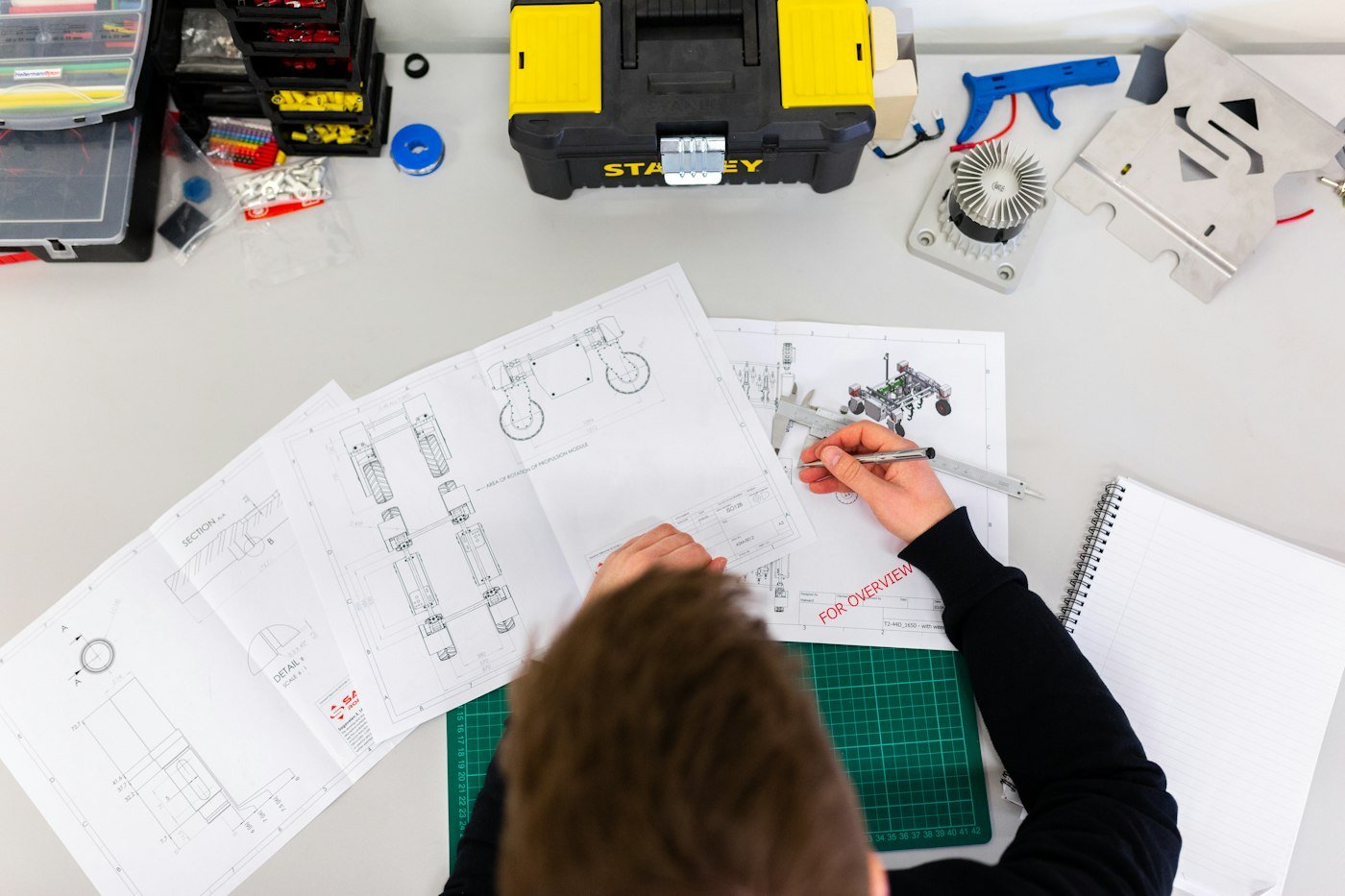
Engineer checking a drawing with a caliper – prototype lamination developmentPhoto: ThisisEngineering / Unsplash
Our promise. We are not just a machine shop. We put our working life into laminations, and we measure success by how close your finished motor gets to the efficiency your designer imagined.

Have a drawing or a motor idea?

Send us your stator and rotor drawing, the steel grade if you have chosen one, and your annual volume. We reply with a quotation and our lamination recommendation within 24 hours on working days.

Request a Quote   sales@snvstampings.com