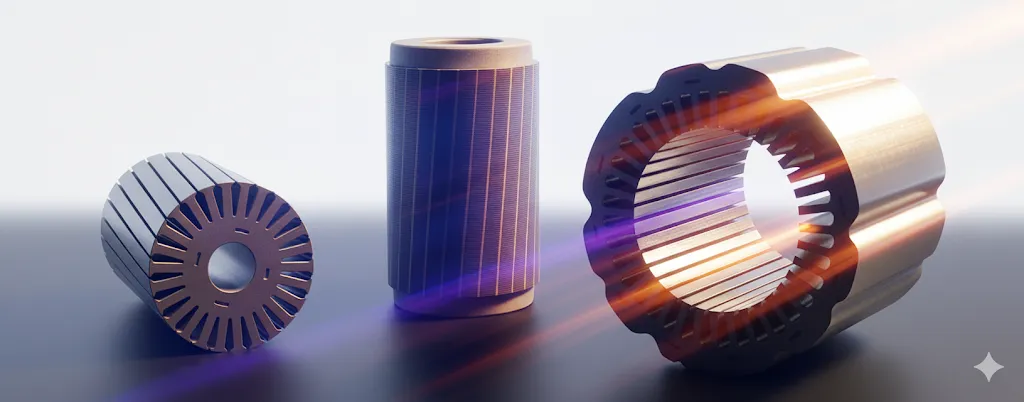
Magnet-Free IE6 Motors Are Here. The Rotor Lamination Now Decides Efficiency.
A magnet-free IE6 SynRM motor is now certified for hazardous areas. Here is what it means for Indian motor makers, why SynRM rotor laminations are hard to make, and how to get them right.
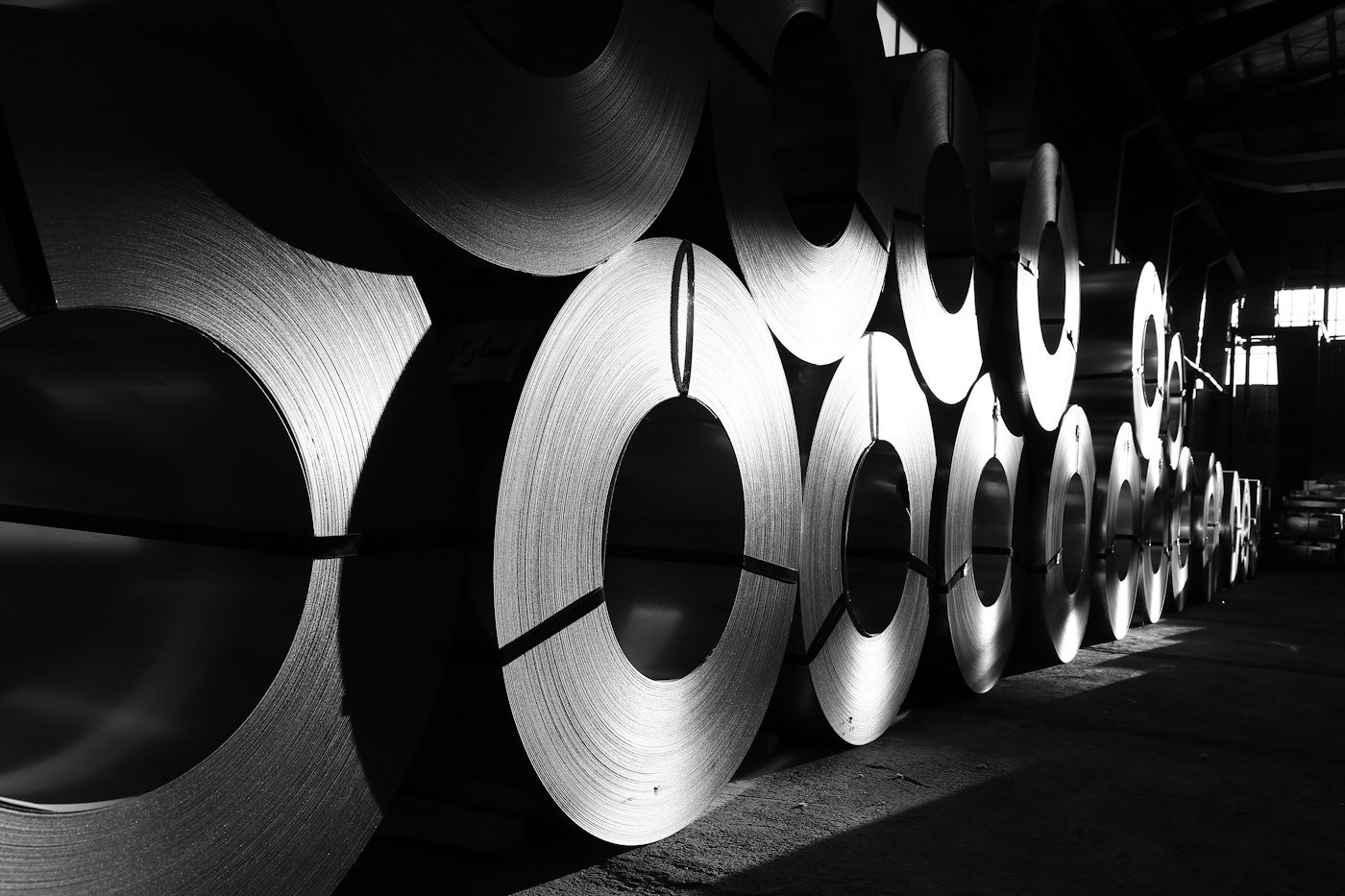
Motor Lamination Steel Grades: A Complete Guide from CRCA to Defence-Grade Cobalt-Iron
Every motor lamination steel in one guide: CRCA, CRNO 50C1300 to 50C250, thin EV steel, 6.5% silicon, CRGO, nickel-iron and cobalt-iron. What each is, where it is used most, and what it costs to stamp.
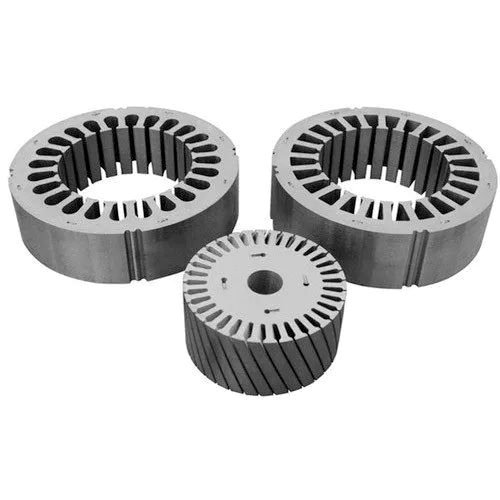
What Are Motor Laminations? Definition, Purpose, Types, Materials and Sheet Thickness Explained
Why motor cores are made of thin insulated sheets, stator vs rotor vs armature laminations, CRNO, CRCA and Backlack materials, how to choose thickness from 0.65 mm to 0.20 mm, and the quality points to put on a drawing.
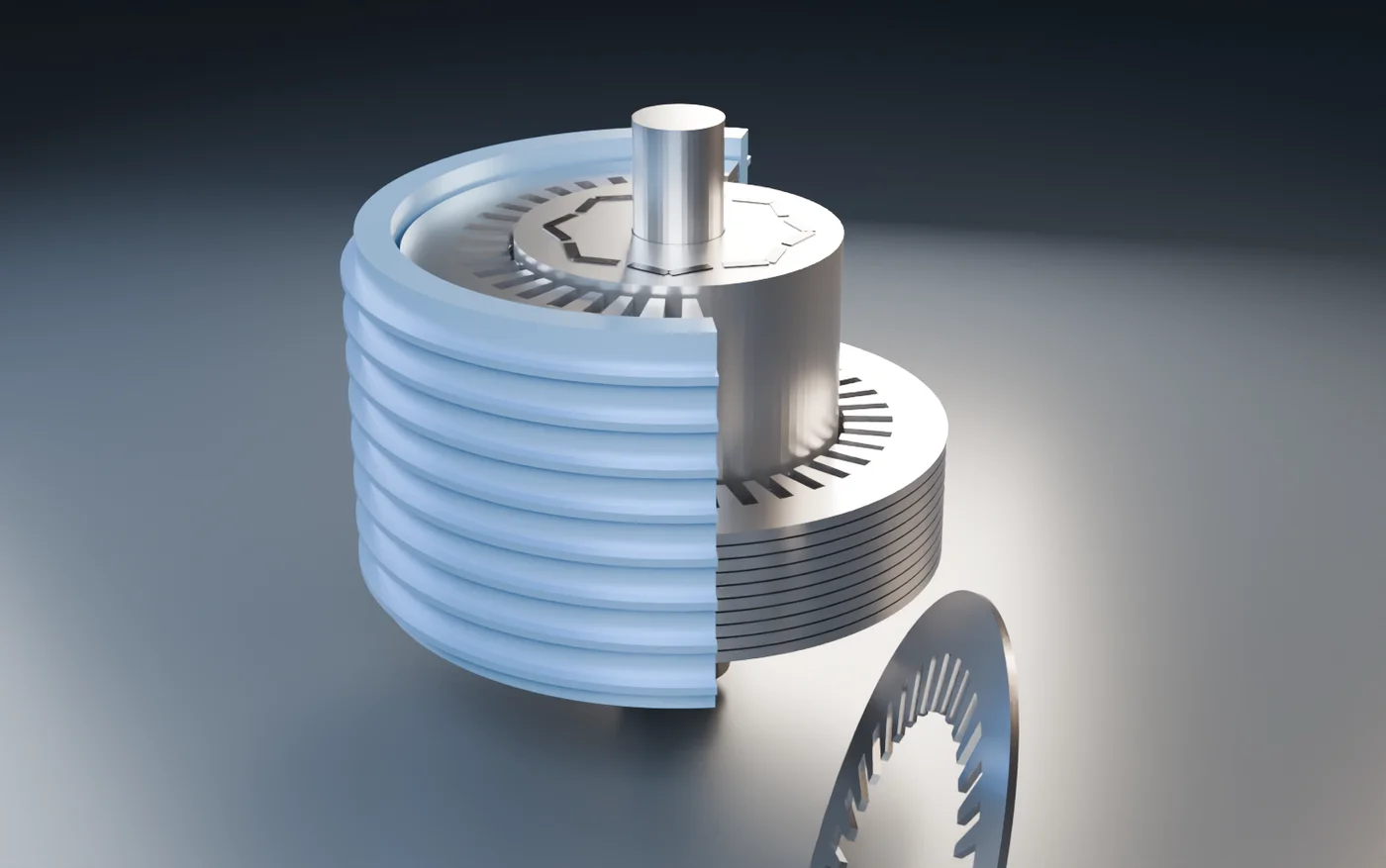
How Backlack Laminations Raise EV Motor Efficiency: Iron Loss, Copper Loss, and What a Press Shop Can Do
Why iron loss dominates at EV speeds, how bonded stacks cut core loss 15–44%, lancing vs welding vs bonding, stator/rotor thickness, segmented stators, and what 1% is worth over 15 years.
 Photo: Kien Day / Unsplash
Why HVAC Motors Are Moving to BLDC and PMDC, and How India Is Building the Plants to Make Them
India's 13-million-unit AC market, the Sri City and Chennai cluster, new fan factories, new CRNO steel capacity, and what an HVAC motor maker needs from its lamination supplier.
 Photo: smart-me AG / Unsplash
EV Traction Motors Must Be Made in India: The Challenge and the Opportunity
PM E-DRIVE now requires e-bus and e-truck traction motors to be made in India. Why localising is hard, who is investing, and how SNV helps.
Photo: Morteza Mohammadi / Unsplash
Why India Matters in the Global Motor Business — And How to Choose the Right Lamination Material
India's motor market is heading to USD 28.8 billion by 2035. How to pick the right silicon steel lamination grade and thickness for BLDC, EV and industrial motors.
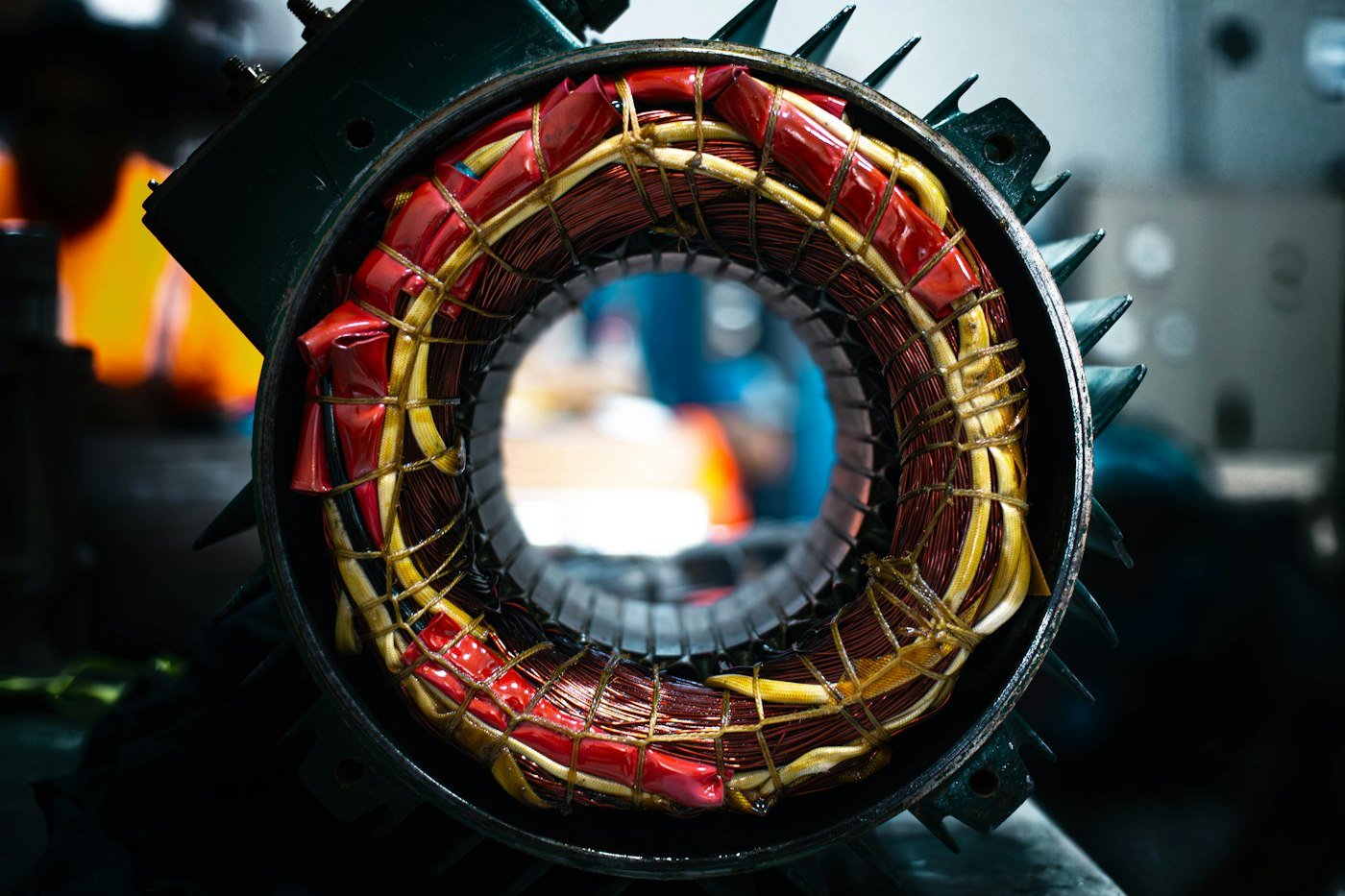 Photo: Troy Winther / Unsplash
Motor Laminations — The Complete Guide to Stator & Rotor Lamination Stampings
Everything you need to know about motor laminations — from eddy currents and silicon steel grades to stamping processes, quality parameters, and how to choose the right supplier for your motor.
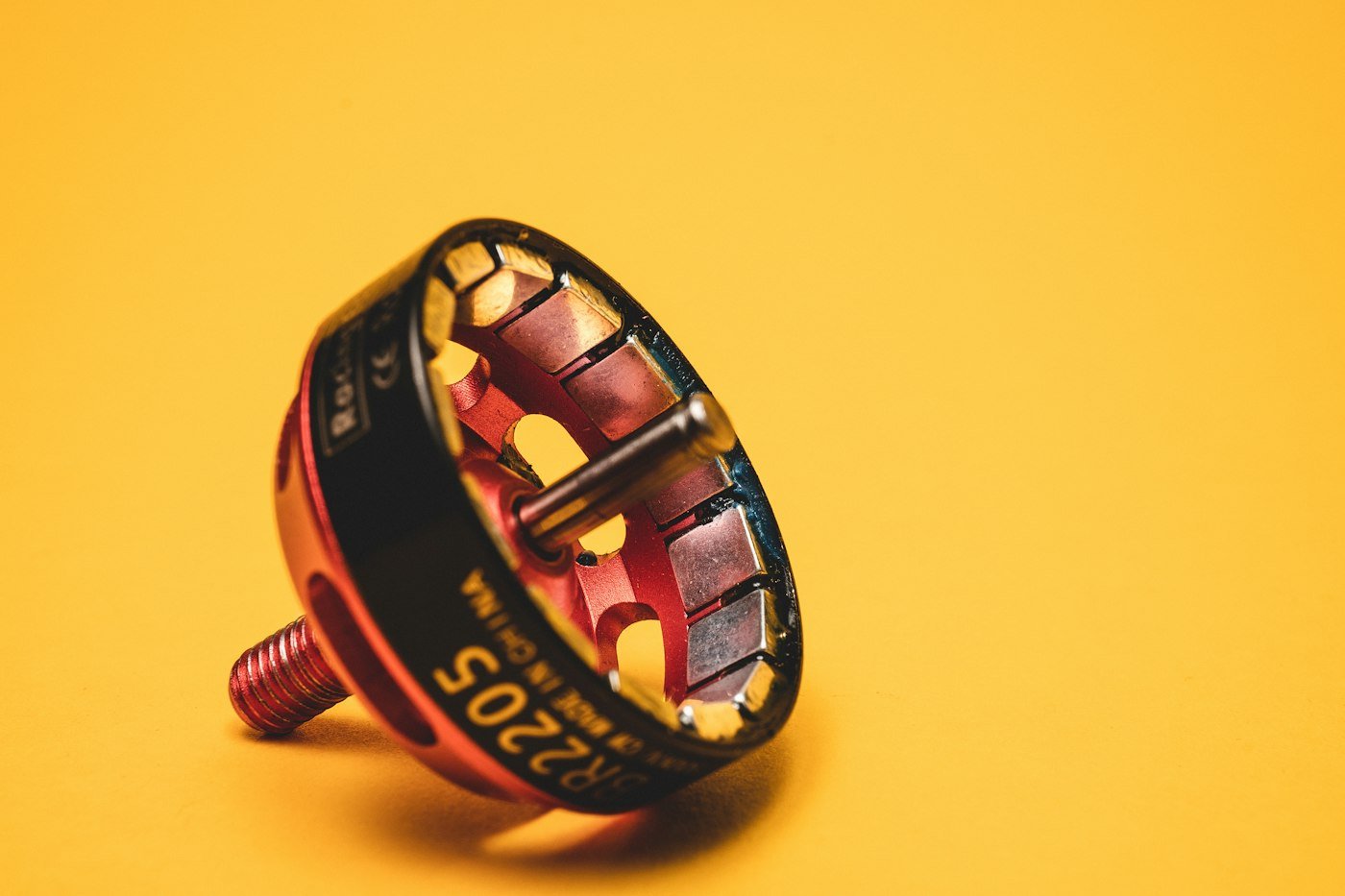 Photo: Mika Baumeister / Unsplash
Why the World is Moving to BLDC Motors — Efficiency, Magnets & the Future
From induction motors to PMDC to BLDC — understand how motor efficiency works, why ferrite and rare earth magnets matter, and which industries prefer which motor type and why.
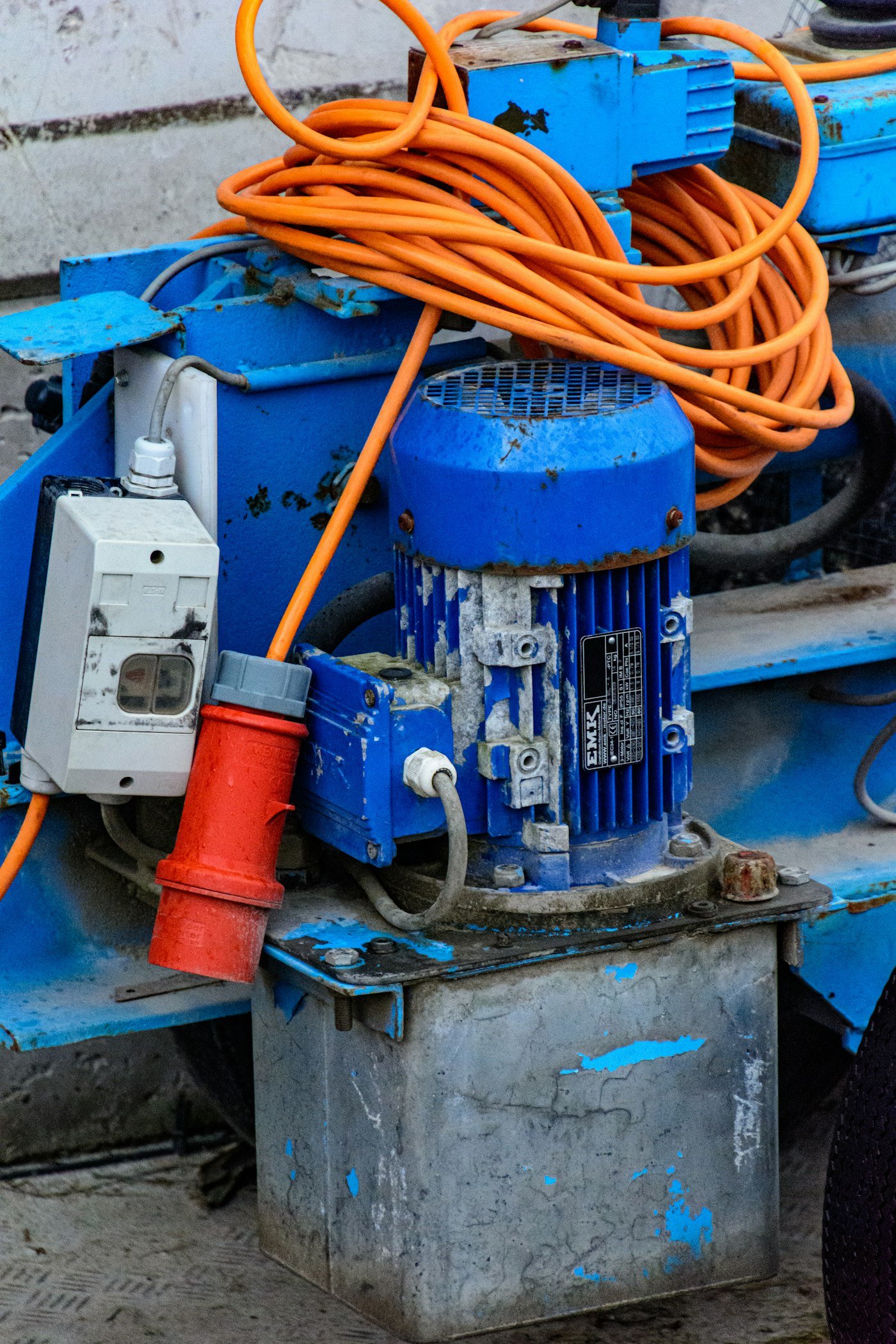 Photo: Sergej (skstrannik) / Unsplash
Types of Electric Motors — From Induction to Axial Flux, a Complete Guide
A comprehensive guide to every type of electric motor used in industry today — AC induction, universal, PMDC, BLDC, PMSM, SRM, stepper, servo, and advanced technologies like axial flux motors.
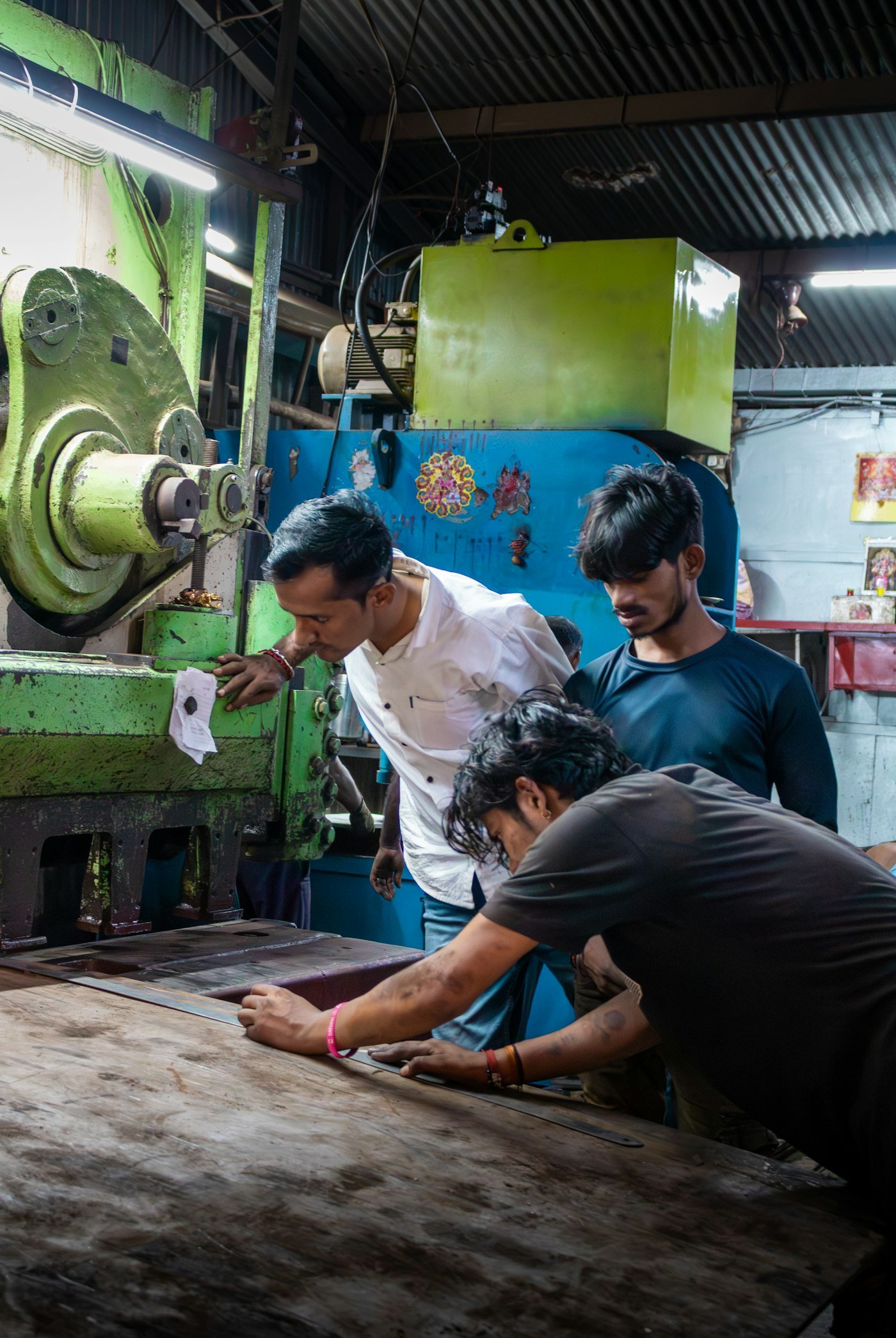 Photo: Zoshua Colah / Unsplash
Why Localising Motor Parts in India Matters for the Next 5 to 7 Years
Indian motor makers still import many laminations and motor parts. Here is why building them in India matters now – for cost, lead time, energy-efficiency rules and supply security.
Stator and Rotor Laminations: Why Precision Stamping Decides Motor Performance
Every electric motor starts as a stack of thin steel sheets. Here is what laminations are, why they are stamped so thin, and which quality checks matter most.
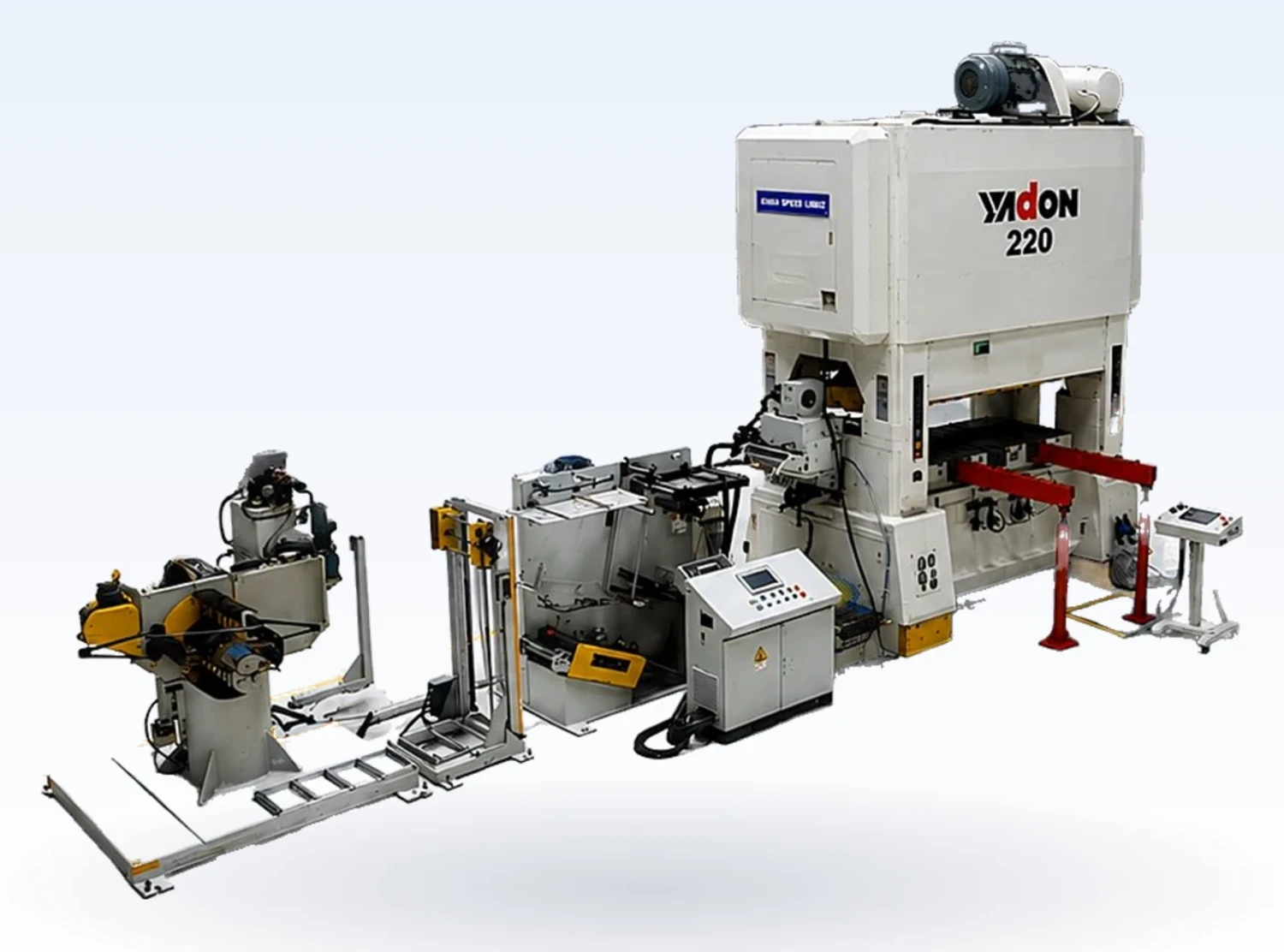
Inside Our 220-Ton High-Speed Press Line
A walk through the heart of our Machohalli plant – the decoiler, straightener, servo feeder and 220-ton press that turn steel coil into finished laminations.
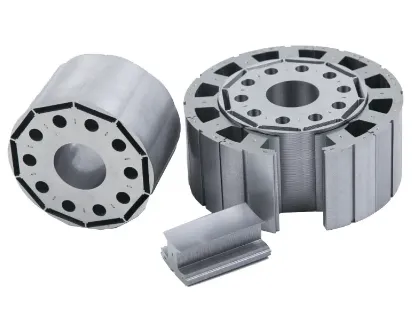
How Lean Practices – TPS, Kaizen and 5S – Help Us Deliver Zero-Defect Stampings
Machines make parts, but systems make quality. How Toyota-inspired lean practices shape daily work on our shop floor.